Nigeria, 11 West African Nations Move Closer to Launching Eco Currency
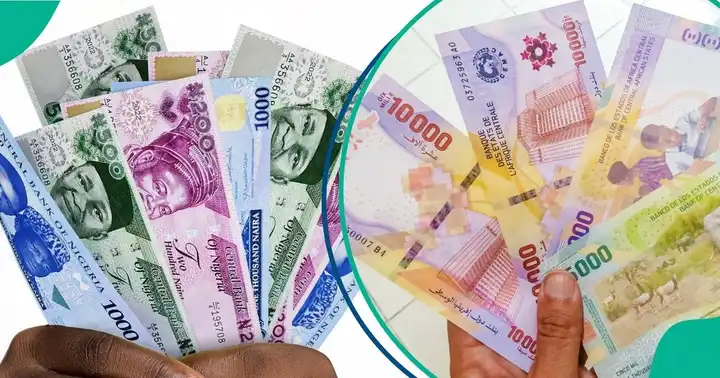
Source– Legit.ng
Nigeria and 11 other West African countries have renewed efforts to launch the long-delayed Eco regional currency, signaling what could become a defining shift in the region’s economic integration.
Governors of central banks across the subregion recently met in Monrovia, Liberia, under the framework of the Economic Community of West African States (ECOWAS) to accelerate preparations for the proposed single currency.
The high-level discussions focused on harmonizing monetary policies, strengthening governance systems, and ensuring participating countries meet strict macroeconomic benchmarks required for the rollout.
Countries Backing the Eco Currency
The 12 countries currently backing the Eco initiative include:
Nigeria
Ghana
Liberia
Sierra Leone
Guinea
The Gambia
Cape Verde
Guinea-Bissau
Senegal
Côte d’Ivoire
Togo
Benin
However, the rollout is expected to follow a phased approach. The first wave may include Liberia, Nigeria, Ghana, Sierra Leone, Guinea, and The Gambia — provided they meet agreed fiscal and monetary convergence criteria.
Nigeria’s Central Role in the Eco Initiative
As West Africa’s largest economy, Nigeria is expected to play a leading role in shaping the future of the proposed currency.
The Governor of the Central Bank of Nigeria, Olayemi Cardoso, participated in the Monrovia meeting, underscoring Nigeria’s commitment to regional monetary integration.
According to official statements, the Eco’s launch will depend strictly on compliance with macroeconomic standards, including:
Inflation control
Sustainable debt levels
Stable exchange rates
Disciplined fiscal deficits
Officials have emphasized that adherence to these benchmarks will be non-negotiable.
Why the Eco Has Faced Repeated Delays
The Eco project has been under discussion for several years but has encountered repeated setbacks due to economic divergence among member states.
Challenges have included:
Inflation volatility
Rising fiscal deficits
Currency instability
Uneven economic growth patterns
Some countries have struggled to maintain single-digit inflation or keep budget deficits within agreed thresholds, complicating convergence efforts.
Despite these hurdles, the latest engagement signals renewed political will to push the initiative forward.
What the Eco Currency Could Mean for West Africa
If successfully launched — potentially by 2027 — the Eco would represent one of Africa’s most ambitious monetary integration projects.
A unified currency could:
Reduce exchange rate risks
Lower cross-border transaction costs
Boost intra-regional trade
Improve price transparency
Strengthen West Africa’s global economic bargaining power
For businesses operating across borders, eliminating multiple currency conversions could significantly simplify operations.
However, experts caution that sustained macroeconomic discipline and institutional credibility will be critical to the Eco’s long-term success.
The Road Ahead
The recent Monrovia meeting has placed the Eco currency project back at the center of regional policy discussions. Whether the region can transition from long-standing proposals to full implementation will depend on how consistently member states pursue the reforms required for a shared monetary system.
For now, the Eco remains a bold vision — one that could reshape trade and economic stability across West Africa if successfully realized.
 2nd-4th June 2026 | Lagos Oriental Hotel, Victoria Island, Lagos, Nigeria