
Source– Nairametrics
Renewable energy has the potential to transform Nigeria’s agricultural sector by reducing post-harvest losses, lowering energy costs, and enabling year-round farming, according to Newton Ovie, Executive Secretary of the Sector Skills Council for Agriculture (SSC4A).
Speaking in an interview, Ovie highlighted how sustainable energy solutions such as solar irrigation, biogas systems, and renewable-powered cold storage could significantly improve food security and productivity across Nigeria’s agricultural value chain.
Nigeria’s rural energy landscape remains heavily dependent on firewood, charcoal, and small petrol or diesel generators. Limited access to reliable electricity continues to affect irrigation, storage, and agricultural processing in many farming communities.
According to Ovie, unreliable power supply and high fuel costs reduce farmers’ profit margins and contribute heavily to post-harvest waste. In key agricultural zones such as Kano, Jigawa, and Benue states, farmers and processors spend significant resources on diesel-powered systems, making production more expensive and less efficient.
The SSC4A boss explained that renewable energy offers practical solutions to long-standing challenges in agriculture.
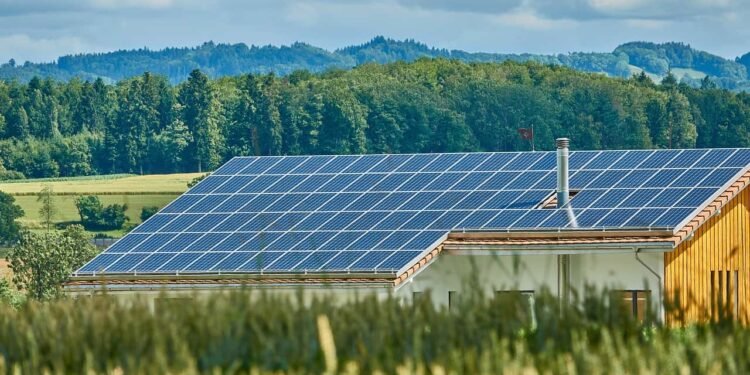
Solar-powered irrigation can provide farmers with reliable water access, allowing cultivation beyond rainy seasons, especially in northern regions vulnerable to drought. Meanwhile, solar-powered cold storage can preserve perishable produce like tomatoes, fruits, and vegetables, helping reduce spoilage after harvest.
He also pointed to biogas technology, which converts agricultural waste into usable energy for processing activities, lowering dependence on fossil fuels and reducing environmental impact.
While awareness of renewable energy technologies is increasing among farmers, adoption levels remain relatively low due to high upfront costs and limited financing opportunities.
Ovie cited examples of successful projects, including solar-powered cold storage initiatives in Nasarawa and Kaduna states, but noted that these remain isolated cases rather than widespread solutions.
Challenges such as poor sensitization, technical knowledge gaps, and skepticism about long-term performance continue to slow adoption in rural communities.
Several obstacles hinder large-scale implementation of renewable energy solutions in Nigeria’s farming sector, including:
High installation costs for systems like solar irrigation
Limited access to financing or credit facilities
Inadequate technical expertise for installation and maintenance
Weak infrastructure and poor road access
Theft and vandalism of equipment
Inconsistent government incentives and policies
Ovie emphasized that funding remains the biggest barrier, especially for smallholder farmers operating on thin margins.
Despite these challenges, the potential benefits are significant. Renewable energy can reduce operating costs for farmers by replacing expensive diesel systems, improve productivity through reliable power, and increase profits by reducing post-harvest losses.
Environmental gains are equally important, with reduced reliance on fossil fuels lowering carbon emissions and helping curb deforestation caused by firewood use.
To accelerate adoption, SSC4A is integrating renewable energy training into agricultural skill development programs. The council is also working with stakeholders such as private sector players, NGOs, and international organizations to build local capacity and create standardized training frameworks.
Partnerships with development organizations are expected to support technicians and farmers with skills needed to install, maintain, and operate renewable energy systems efficiently.
Looking ahead, Ovie envisions renewable energy becoming mainstream in agricultural practices over the next decade, making sustainable power accessible to smallholder farmers nationwide.
He argued that integrating agriculture into Nigeria’s broader energy transition strategy would strengthen food security, improve climate resilience, and drive sustainable rural development.
“Renewable energy can reduce energy costs, ensure year-sviation; is or unpredictable?”
The goal, he noted, is a system where reliable power supports farming from production through processing to the final consumer.

House 13 Osogbo Street,
off Celestial way, Ogudu, 100242,
Lagos. Nigeria.
 2nd-4th June 2026 | Lagos Oriental Hotel, Victoria Island, Lagos, Nigeria